

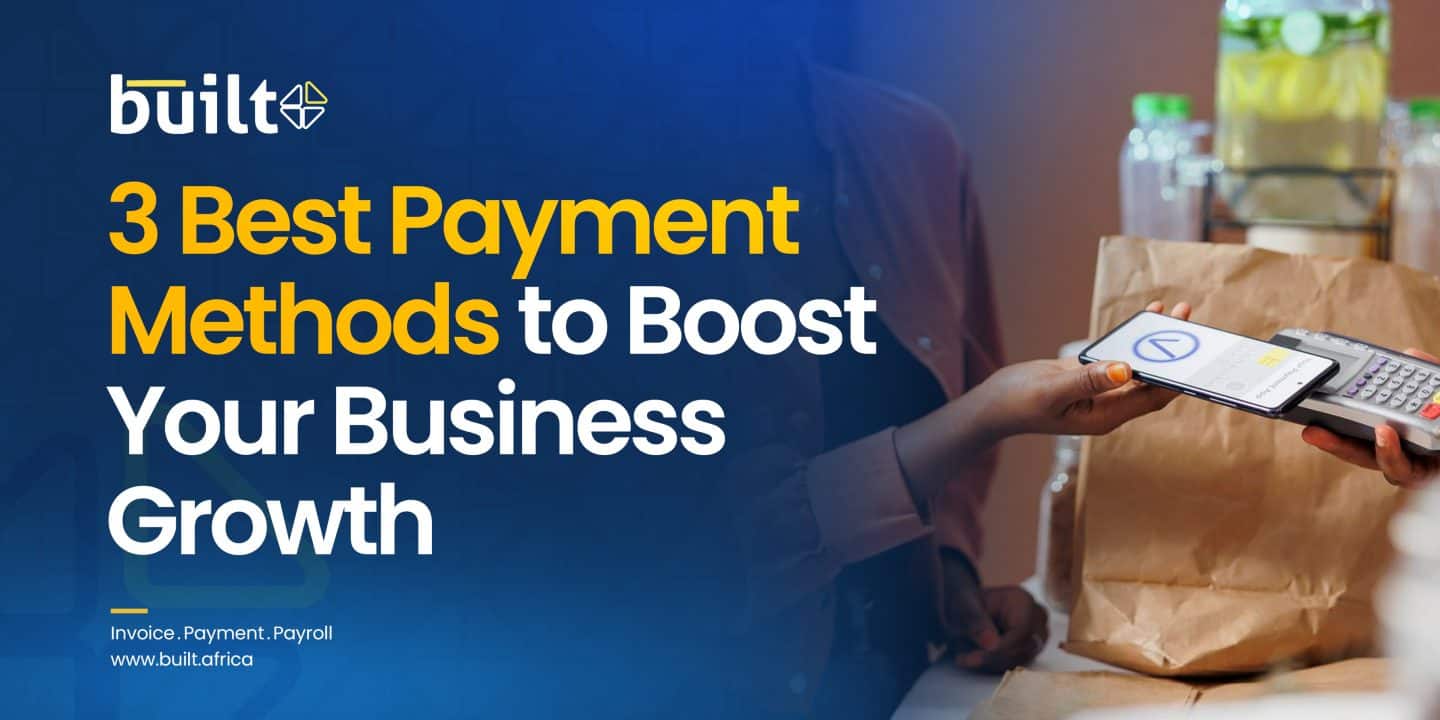
Choosing the right payment methods for businesses is key to making sales and managing money with ease. Across Africa, customers pay in different ways. Some prefer Mobile Money, while others use bank transfers or cash.
But which option works best for your business?
In this guide, we explore three popular ways to receive payments. You’ll learn their benefits, risks, and how to choose the best option for your business.
1. Mobile Money: Fast and Easy Payments
Mobile Money has changed how people pay for goods and services across Africa.
In countries like Ghana, Kenya, Uganda, and Tanzania, many people use mobile wallets daily. Popular services include MTN Mobile Money and M-Pesa.
With Mobile Money, customers can pay using their phones. They don’t need to carry cash or visit a bank.
Why Use Mobile Money?
- Easy to use: Customers can pay from almost anywhere.
- Quick payments: Many payments go through within seconds.
- Better records: You can check past payments with ease.
- More access: Customers without bank accounts can also pay.
However, Mobile Money has some risks. Poor network service may delay payments. Some providers also charge fees.
Fraud is another concern. For example, some scammers send fake payment alerts.
Business tip: Always check your wallet balance or payment history before you hand over goods.
2. Bank Transfers: Great for Large Payments
Bank transfers are a good choice for businesses that handle large payments.
For example, a shop that buys goods in bulk may pay its supplier through a bank transfer.
Many firms also use bank transfers to pay for services and settle bills.
Why Use Bank Transfers?
- Good for large payments: You can receive money for bulk orders.
- Clear records: Bank statements help you track your money.
- Easy to review: You can match payments to invoices.
- Better control: A business bank account helps you keep work and personal money apart.
Still, bank transfers have a few limits.
Some payments may take time to arrive. Also, wrong account details can cause delays.
Business tip: Add an invoice number to each bill. Ask customers to use that number when they pay. This helps you find and confirm payments faster.
3. Cash: Simple but Easy to Lose Track Of
Cash is still a common way to pay in many parts of Africa.
Small shops, food sellers, and market traders often receive cash each day.
One key benefit is that cash works without the internet. Customers can also pay without a phone or bank account.
Why Use Cash?
- Instant payment: You receive the money at once.
- No network needed: Sales can go on during network issues.
- Easy for customers: Anyone with cash can pay.
- No online fees: You don’t pay digital payment fees.
However, cash comes with risks.
Money can get lost or stolen. It can also be hard to track sales if you don’t keep records.
Business tip: Record every cash sale and give receipts. At the end of each day, count your cash and compare it with your sales records.
Which Payment Method Is Best for Your Business?
The best payment methods for businesses depend on their customers, daily sales, and location.
Here’s a simple guide:
| Payment Method | Best For | What to Watch |
|---|---|---|
| Mobile Money | Small shops and online sellers | Network issues and fees |
| Bank Transfers | Large orders and business clients | Payment delays |
| Cash | Walk-in customers and small sales | Theft and poor records |
For example, an online clothing store may prefer Mobile Money and bank transfers.
A small food shop may need both cash and Mobile Money.
If you sell to customers in other countries, you may also need to check local payment rules and fees.
The goal is simple. Make it easy for customers to pay and easy for your business to track every sale.
Why Your Business Needs More Than One Payment Option
Offering different payment methods for businesses can help customers pay with ease and reduce lost sales. Imagine a customer wants to buy a product but has no cash. They ask to pay with Mobile Money, but your shop only takes cash.
You may lose that sale.
Now, imagine your business accepts both cash and Mobile Money. The customer can choose what works best.
Giving customers more ways to pay can help your business:
- Avoid lost sales.
- Make shopping easier.
- Serve more customers.
- Reduce payment delays.
- Keep sales going when one payment option fails.
However, more payment options mean more records to manage.
That’s why it’s important to track every payment.
How to Manage Your Business Payments Better
Taking payments is just one part of running a business. You also need to know how much money comes in each day.
Here are four ways to stay on top of your payments.
1. Record Every Sale
Keep a record of each sale, no matter how the customer pays.
This helps you track your income and spot missing payments.
2. Keep Business Money Separate
Try not to mix your personal money with your business funds.
Use a business bank account or mobile wallet when possible.
This makes it easier to see how much your business earns and spends.
3. Check Your Records Often
At the end of each day, compare your sales records with the money you received.
Check your cash, bank account, and Mobile Money wallet.
This helps you find errors early.
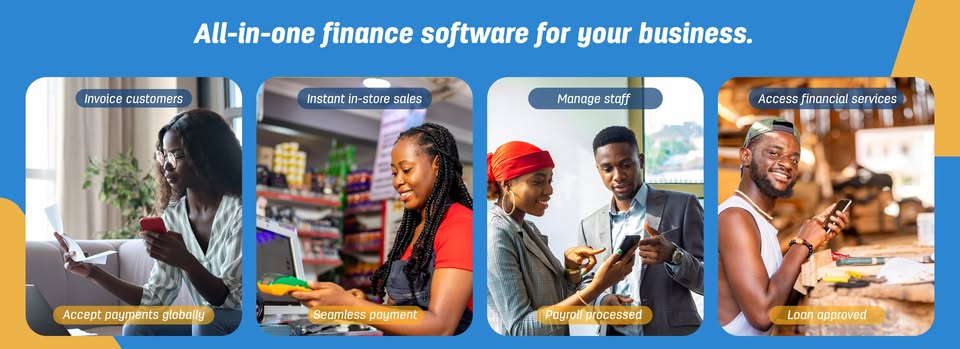
4. Make Payments Easier with Built ePayment
As your business grows, keeping track of payments can take more time.
You may need to switch between different apps to receive money, pay suppliers, and check your records.
That’s where Built E-Payment comes in.
Built E-Payment helps you send and receive money with ease. In supported markets, you can accept Mobile Money, bank transfers, and card payments.
You can also create payment links, pay suppliers, and settle bills from one place.
Better still, Built connects your payment records with your business accounts. This helps you track your money without extra work.
With fewer tasks to manage, you can spend more time growing your business.
Explore Built E-Payment and make business payments easier.
Final Thoughts
Choosing the right payment methods for businesses is about more than receiving money. It’s also about keeping good records. Mobile Money, bank transfers, and cash all have their place in business.
The right choice depends on your customers, the size of your sales, and how you run your business.
You don’t have to rely on just one option. Giving customers more ways to pay can make buying from you easier.
But remember, getting paid is only the first step. You also need to keep good records and know where your money goes.
With the right tools and habits, you can manage your payments and make better business decisions.
Ready to make business payments easier?
Get started with Built and take better control of your business finances.

This is managed by the marketing department







No Comments